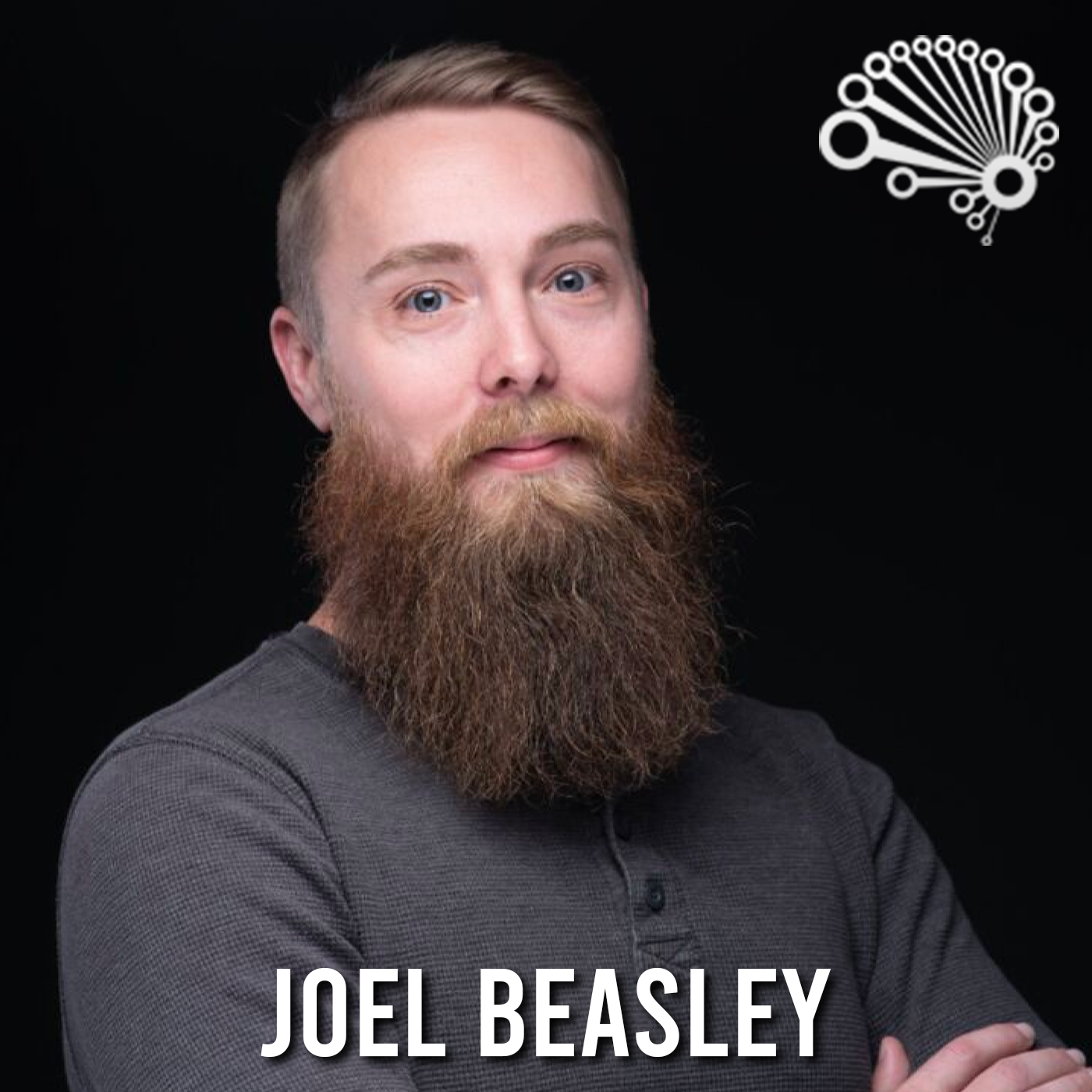
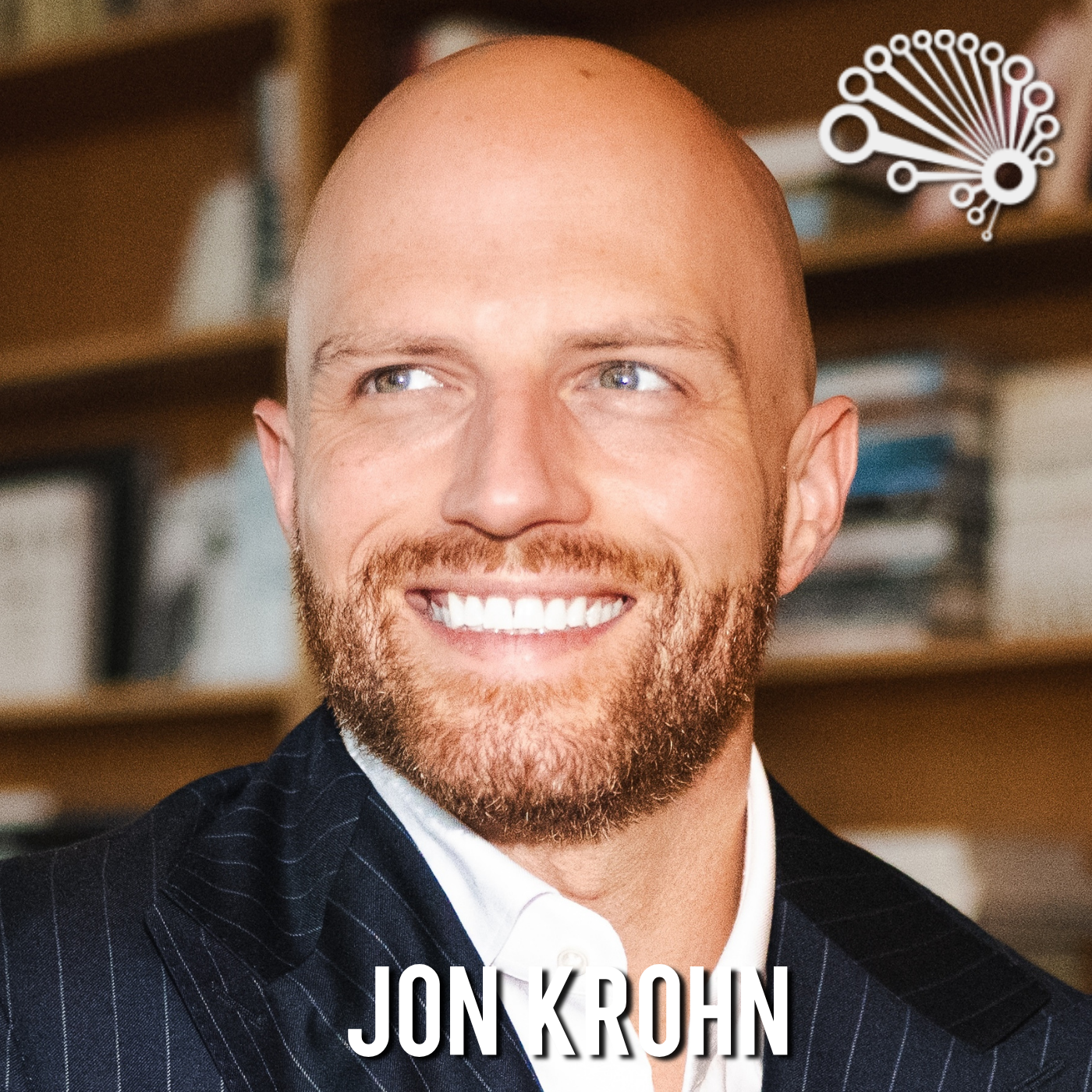
Jon Krohn: 00:00 What happens when a software developer decides to become a standup comedian? He uses AI, of course, to quantify and optimize his performances, enabling him to land a massive 20 day tour of the US less than a year after his first ever performance. Welcome to episode number 945 of the SuperDataScience podcast. I’m your host, Jon Krohn. I’m joined today by Joel Beasley, a software engineer who became a CTO, who then started podcasting turning the Modern CTO podcast from a hobby into a big profitable show. Now he’s used AI to turn his new standup comedy career into gold as well hear about that as well as the top pieces of tech leadership advice he’s ever received in today’s episode. This episode of Super Data Science is made possible by Anthropic Dell, Intel, Fabi and Gurobi. Joel Beasley, welcome to the Super Data Science Podcast. How you doing?
Joel Beasley: 00:53 Yeah, I’m doing great. Thank you so much for having me.
Jon Krohn: 00:56 I know you’re doing great because I heard big news from you just before we started recording. So I’ve been on your show, the Modern CTO podcast a couple of times, and the last time I was on there, I don’t know, it was about two months ago that we recorded the episode came out about a month ago at the time of recording. I’ll try to find that episode to put it in the show notes. People want to listen to me on someone else’s show. Joel is really funny actually. That’s kind of the point that I’m getting to. I was going to say you should listen to the podcast episode because Joel is really funny and he brings up the best in me. I really have a lot of laughs on the show as well, and so it’s just kind of a nice thing to listen to, unlike the drudgery that I usually put my audience through on this show. And yeah, to wit, when we were recording, you had been getting going with comedy for a while. I hadn’t caught up with you over voice in over a year, and you were saying that you were getting going with comedy, you’re using AI tools in a lot of ways with that. So getting up, so you’re monitoring your laughs per minute, for example, and you get laugh per minute benchmarks from some of your favorite comedians.
02:01 So maybe you can tell us a bit about that in a second. But the first thing that I want to get to is that since I last spoke to you, a crazy thing has happened in your life. Tell us about Troll.
Joel Beasley: 02:14 Yeah, so I started comedy about 10 months ago and I through a series of relationships and connections, I met Jeff Allen, who’s the largest comedian on Drybar. He’s got seven specials, over a billion views. He lives in the same city I do. We got together and then he invited me to audition to be on this tour. So he gave me three sold out theater dates in Georgia, and that was the first week of October and I did those three dates. He said he loved my comedy, he thought I was great, and then he invited me on the rest of his tour. So now I’ve got 20 dates between now and February.
Jon Krohn: 02:53 It’s fantastic. So I’m going to have the tour dates in the show notes as well. So actually anybody can do this. It’s a very easy URL joelcomedy.com. How many millions did that cost about?
Joel Beasley: 03:08 It was lovable, 25 bucks a month.
Jon Krohn: 03:11 It’s amazing that that was free that was available. So you can see all the tour dates. Some of them will have, some of those 20 dates will have passed by the time this episode is live, but many of them late November dates, December dates January, February, they’re all in the US kind of east coast in the US but all over. So pretty exciting. I’m going to do my best to check out at least one of these shows as well. So congrats, amazing!
Joel Beasley: 03:39 And if you do come to a show, hang around after and come say hi to me because that’s my favorite part.
Jon Krohn: 03:43 Nice. And so tell us about the AI tools that you use to support your comedy development.
Joel Beasley: 03:49 Yeah, so I started in December of this past year, so it’s been about 10, 11 months or so. And I realized really quickly, I was like, what’s the difference between good comedians and great comedians and why are some people more popular than others? And comedy is very subjective, right? What’s funny to me and my group may not be funny to you and your group. So I was looking for the common data point that would transcend groups and I found that that common data point was laughs per minute. And so you can look at these comedians, the Nate Ky, the Jon Chris, you can do it old school and just watch their special and jot down the laughs per minute or you can run it through Gemini and have it calculate the lasts per minute. And so I found that four to five lasts per minute is the standard for a professional full-time comedian.
04:41 And so I said, okay, all I have to do is write material that elicits four to five lasts per minute and I will be on par with a professional comedian. And I’ve pretty much done that. So what I do is I record every set, I run it through the AI after the set, nothing special, just Gemini prompt, why Gemini? It was the only one through the browser UI that would consume video, GPT and Grok as of the recording date today, will not consume video. And it was able to do it. And so I said, okay, that’s super easy and I have a spreadsheet, Jon, I have a spreadsheet like a nerd does, and it lists every performance with a recording of the performance, the laughs per minute, what work didn’t work, notes and how many people were in the audience, how much money was made, all of that stuff.
Jon Krohn: 05:33 I love that. I can’t wait to see if it gets more sophisticated over time, as your comedy career goes on, you get more and more sophisticated metrics. So right now it’s kind of like laugh velocity. I wonder if we can take the derivative of that and get laugh acceleration.
Joel Beasley: 05:48 Yes. Well also all laughs are not equal, which is actually a harder thing. So some people built software for this, by the way, called Laugh Evaluator Pro, but the duration of the laugh is important. The intensity of the laugh in relation to other laughs are important. So it can get pretty nerdy. I’m trying to keep it basic. So I use AI in the evaluation of it, but I also use it in the writing process. So for example, what I like to do is I write the joke, I write it and practice it, and I’m like, that’s a good joke. And then I put it through AI to ask for different perspectives how they would see that joke, different potential areas like directions that joke could go in maybe words near this joke that have a double meaning, things like that. And I’ve got a saved prompt that I use to act like a writing coach. Now, the way I figured this out, Jon, was I was going to a writer’s group, a comedy writer’s group where there would be eight comedians in a circle and we would all do, we would do a minute of our jokes for that week and then they would all give feedback. And so I went to 10 of those modeled how those professional comedians gave each other feedback, turned that into a prompt, and now I just get to do it with the crock.
Jon Krohn: 07:02 Wow, that’s really cool. I like the idea of these comedians sitting around. It kind of sounds like comedians anonymous
Joel Beasley: 07:09 Yeah. Dude, it’s a fun time though.
Jon Krohn: 07:11 I’m Joel. I’ve been a comedian since December.
07:17 Welcome, Joel.
07:19 Nice. Cool. So we’re going to do something different to start today’s show. It’s actually, it’s something that I’ve been thinking about doing on the show for a while and kind of organically you and Josh on your team whom I’ve also electronically met a number of times through your podcast and who is wonderful. You guys came up with this idea of covering hot topics in industry news and yeah, like I said, that’s something that I’d been thinking about doing. And so let’s do it. So your first story here, this is actually really interesting. This really caught my attention when this new story broke yesterday at the time of recording, so several weeks ago at the time that you’re listening to this, but Amazon announced that they’re targeting 3000 corporate job cuts. Joel, tell us what’s funny about that.
Joel Beasley: 08:09 Yeah, there we go. You putting me on the spot is what’s funny about that? I think nothing. You know what? I think it’s interesting about it though. I believe it’s one of the first times. So I do my interviews, I interview corporate people all the time. They try Jon so hard not to ever say the AI and taking people’s jobs. They use their word ninjas, trying not to say it. They don’t want the outlash that’ll happen. My favorite part about all of this, if there is a favorite part, is that they just came out and said it like because of AI advancements we’re getting rid. I think that honesty is actually really great. So it’s maybe the positive to the dark situation. Also, I read conflicting stuff. I don’t know if you saw this too, but half the titles were 14,000 let go right now the other half where they’re announcing 30,000 layoffs. Have you gotten any clarity on, is it 30 total and they’ve done 14 already, or
Jon Krohn: 09:06 The only number that I saw when I looked at this briefly was the 30,000 number, and then I looked into what percentage of their total organization that is, and I think it’s about 10%. And this doesn’t include, I’m pretty sure people who are working in Amazon facilities. This is Amazon corporate. I think there’s about 300,000 people in Amazon corporate. These are, yeah, white collar jobs.
Joel Beasley: 09:34 Exactly. They said it was largely middle management and white collar type work, which makes sense. I mean, that’s prime for look, it takes zero stretch of the imagination for a corporate behemoth the size of Amazon to imagine that they’ve got 10% bloat, it’s probably 30, probably 30%. It’s not a surprise to me.
Jon Krohn: 09:56 And it’s interesting because that 10% kind of cut. I think that’s the kind of thing that General Electric was famous for throughout the 20th century, but it was like every year the bottom 10% of people are out.
Joel Beasley: 10:07 That’s fine for me, I’m okay with that because it’s a garden. You can’t just let everything overgrow. You have to trim it back and there’s going to be seasons and cycles of growth and reduction. It’s part of the problem. When I was an employee way early on in my career, I would see this be like, how could they, that’s so bad. That’s morally wrong, all of this stuff. But now that you’re in
Jon Krohn: 10:30 The bourgeoisie,
Joel Beasley: 10:31 Now that I own, well, if you own a business, you’re choosing between letting the garden survive or getting rid of some of the weeds, it’s like you got to get rid of some of the stuff and trim some stuff back for it to grow properly.
Jon Krohn: 10:44 I appreciate that you’re being so straightforward about this on air that takes guts. Seriously.
Joel Beasley: 10:50 I’ve been there when you’re at the point and you’re looking at the p and l and you’re like, either the whole company goes down next quarter or I cut 20% headcount, it makes it really easy. It’s like, because you’re saving 80% of the jobs, you’re saving 80% of the family’s ability to put food on their table. You just have to look at it like that. Otherwise you’ll drive yourself mad.
Jon Krohn: 11:17 I guess it’s kind of like those moral puzzles that people have where it’s like you have the opportunity to train. A train has lost control, and you’re standing at this switch point where you can decide whether it’s going to hit three old people or one child, and you need to make a decision. You need to pick which group is going to die.
Joel Beasley: 11:43 And as the early on version of my employee self, I would look at it, I would see it hit the old people or the child, doesn’t matter which one. And I would say, that’s horrible. Those people, I’m talking myself into a corner here, my brain, my subconscious finished the analogy before I could and I was like, oops, we don’t want to go there. This we’re having a good time, Jon. Great.
Jon Krohn: 12:15 And so the next story is
Joel Beasley: 12:16 Joel’s canceled, Joel.
Jon Krohn: 12:21 This is all just comedy people. So all just designed to shock. Designed to shock. Yeah. Okay. Next story is, yeah, this was also really big news at the time of us recording today, which is that OpenAI, there’s been talk about them doing this corporate restructuring for a long time. Basically their hands were tied because they were this not-for-profit, and that was impacting how they could raise money. And I think Microsoft in particular found that this was problematic and yeah, tell us a bit about that, Joel. What changed?
Joel Beasley: 12:57 Well, so I don’t know a lot about it. Like a comedian would, I know the headline and I know my gut reaction to it. And my gut reaction was get ’em, Elon, get ’em.
Jon Krohn: 13:10 Oh, wow. I wondered if you’d have that perspective when you said that you were using grok.
Joel Beasley: 13:16 Oh yeah. No, no, because I followed this. I have been a fan of Elon since before Elon was pop, when he did PayPal, when he was that level of popular, just the guy who had done some of that back when he didn’t have any hair and all of that.
Jon Krohn: 13:31 Many of our listeners literally weren’t born at that time.
Joel Beasley: 13:35 Yeah, I was watching him then and reading his interviews that he would do and just consuming all the stuff I could because I had tracked personally. I had this thing where I tracked Bezos Branson, Richard Branson, and Elon Musk. Those are three billionaires that I picked to track. And so I’ve been tracking them for almost 20 years now. And what are their laughs per
Jon Krohn: 13:59 Minute? Like
Joel Beasley: 14:01 Zero. But their bank account balance makes up for it. But I did watch the dollars
Jon Krohn: 14:07 Per minute.
Joel Beasley: 14:08 Yeah, dollars per minute. I did watch the whole thing come out from when he loved OpenAI and he started OpenAI with them for this mission. And so I remember watching that be announced and watching it happen. And for me, that’s locked in my memory. So when I hear this, a lot of people who weren’t highly focused on it when it organically rolled out, they’re all just trying to twist how the past looks through the present lens. And for me, I’m like, I remember exactly what that was like and that was their entire mission to make. It’s in the name Jon Open ai. It couldn’t be more explicit.
Jon Krohn: 14:48 Yeah. This hot topics industry news segment that we’re opening up with, we’ve done two stories. We’re just going to have one final one here. And it’s also OpenAI, it’s their Atlas browser. Have you tried it, Joel?
Joel Beasley: 15:01 I have not. I watched the video of someone else trying it, but I have not personally tried it. Have you?
Jon Krohn: 15:06 I haven’t, I got a big popup in ChatGPT that asked me to try it. I don’t know. I really like keeping all of the big corporations. They’re always trying to do everything for you, but I actually really like having them all separate. I like having, even if it costs me a little extra to be getting different services from different providers, somehow I feel more comfortable that I actually use a combination of different browsers for different purposes. So I use Firefox for something, Chrome for something, Safari for some things. Maybe at some point I will think that there’s a reason why I need to be using Atlas, but I like keeping things separate. I recently had an episode of this show, I can’t remember who the guest was, but I was talking about how I think a problem that OpenAI potentially has is a trustworthiness thing.
16:04 And I don’t know if that’s Sam Altman or the organization itself, but it seems like they’re happy to use whatever data they can get to be training their models. And so I am resistant to the opportunity to be linking OpenAI with my Google Drive, with my Gmail, with my calendar, because it just kind of seems like I’m probably giving up the data for them to be using. And with how nuanced LLMs today can already be, forget what AI capabilities we have in the future, it seems like an unnecessary risk to me. Does that make sense? Am I kind of answering your question?
Joel Beasley: 16:41 Yeah, yeah. I think it’s interesting because I have the same preference with keeping the applications and everything separate. And I actually think that’s almost a reflection of our biology, our neural networks, the way that information is stored. And it’s really easy for me to have these apps where I go do these one single specific things. And the only explanation I’ve been able to come up with when thinking about it is it’s probably just a reflection of how we store memories.
Jon Krohn: 17:09 I think that you could be onto something there, because there’s definitely something that I find a bit frustrating about digital tools period is that it doesn’t have the same kind of spatial representation. When you’re thinking about an object that you have somewhere in your home, it’s quite easy to visualize where it is. Oh, it’s in that chest in the living room. I know where that is. It’s actually, I know it’s specifically under a towel in that chest. It’s very easy to kind of remember all those things. But when I look at, and actually perhaps even a more direct example is I used to always write everything on physical notebooks, but after losing one, I was like, oh my God, I just lost all my most important stuff. And anybody out there in the world could have it. And for anybody that’s ever been a client of mine that I’ve ever worked for it, any professional stuff
Joel Beasley: 18:02 Was all the secrets. It was API keys. Yeah, he just hand writes ’em.
Jon Krohn: 18:08 Exactly. And so I switched to using an iPad as my notebook, and that’s all that I have on my iPad. But what I really miss is that with a physical notebook, even though it’s a small difference in physical space, would’ve a pretty good sense. I could flick in the notebook to an important page or get within a few pages of that important page very quickly, very easily. And it’s also really enjoyable to, I have a notebook where I keep workouts and to flip back through that notebook and look back over all the workouts, it’s really enjoyable. But now that all that is digital on my iPad, it is so unpleasant. I agree to flip back through digital pages and look back over them like it’s icky. I don’t like doing it.
Joel Beasley: 19:00 I want a dashboard. Give me a dashboard. Aggregate the data. Hey, have you heard of the memory palace technique?
Jon Krohn: 19:06 Yeah, actually as I was talking about the house thing, it kind of reminded me, so tell the audience about that.
Joel Beasley: 19:11 Yeah, so I was struggling. I could remember my bits, like my three minute chunks of a story that’s easy for me. Remembering the order and how they flow together was the tough part. And so I started doing research on memory to see, well, at first I spent years just saying, oh, my memory sucks, whatever. Then I said, I’m going to stop saying that and see if maybe I just don’t know how to use memory properly. Let’s go to the memory experts, found the memory experts, and they have this technique called memory palace. And basically that’s where the way, I’ll tell you how I use it versus trying to explain exactly what it is. I use it to the visualization in my head of walking into my house, like the front door, I associate a joke with that front door, for example, it’s a joke about my beard.
19:56 So I imagine that the front door is this giant fuzzy beard. So I’m walking into my house and I see this giant fuzzy beard of a front door. Then I open the front door and my wife and three kids are in the kitchen, which is the title of my next joke. And then I do one on the refrigerator door and then one with my son sitting at the kitchen island and then one with the dog and the chair. And then, so I have all these, the joke’s not about a dog in the chair, the joke’s about my wife hiring a dog to smell mold.
20:25 And so I have all these things. My wife was in a movie, so I look at the tv, and so it turns out that your brain is really good at spatially remembering that and walking through these paths that you walk regularly. And so you can associate memories with them. And the more colorful the memory, like the giant fuzzy beard, the magnet that’s on the fridge, all the different things, the giant dog and the tiny chair, all of these, the craziness of it helps you remember it. And I can tell you for in fact, you can stand in front of 500 people and if you lose your spot, Jon, you can just remember what room you’re standing in and about, where you’re standing in your mind, and just look around that room in your mind and pick the next thing that you want to talk about.
Jon Krohn: 21:13 I love it. That’s so cool for your comedy routines. But our listeners can use it for anything,
Joel Beasley: 21:18 Everything.
Jon Krohn: 21:19 And it definitely, it’s a technique I’ve used as well, and I’m glad that you brought it up because it’s a good reminder. It would be helpful for, actually, right now I have a new 10 minute keynote that I’m working on, and this’ll definitely help me, although it’s often with keynotes, you can often cheat because you often have slides to and people, listeners, I don’t know if I’ve ever said this on there before, but please don’t ever put just text on your slides, just kind of like the story that going through the house that Joel was just describing, your slide can just be a picture.
Joel Beasley: 21:56 Oh, for sure. Absolutely. It better be a good picture.
Jon Krohn: 22:00 Yeah,
Joel Beasley: 22:01 Yeah. Maybe like a AI generated picture. Crock generated, crock generated.
Jon Krohn: 22:06 It’s the only gen AI tool I use.
Joel Beasley: 22:08 It’s Imagine feature is pretty strong.
Jon Krohn: 22:10 Oh yeah. Actually I haven’t used it candidly.
Joel Beasley: 22:14 I’ll have to
Jon Krohn: 22:14 Check it out. No, I know it’s right at the frontier on some capabilities, so I really should be. Alright, so this brings us to the end of our industry news section. Yes. Let’s now leverage some of your specialized knowledge. So tell us a bit about the Modern CTO podcast first, Joel.
Joel Beasley: 22:31 Yeah, so the modern CTO podcast, we’ve been doing it for about 10 years, about a thousand episodes. We’re the largest CTO like chief technology officer, tech leader podcast in the world. We’ve had on everyone from Sir Tim Burners Lee, creator of the worldwide web to astronauts when they come back from space to the CTOs of IBM, MasterCard, you name it. And what we do is we bring them on the show to find out what unique insight they have, whether it’s leadership advice or industry advice, problems they’re currently experiencing, and we have them share how they’re doing it. My job is to pull the best knowledge out of ’em, try to get that one nugget they might not want to share out there. That’s really valuable and that’s what we do.
Jon Krohn: 23:17 Awesome. I love the show. I’ve been on twice, really enjoy it. The production quality that you guys have is insane and I am hugely indebted to you as well as Josh, your producer, because both of you have provided me and therefore listeners to this podcast, to tons of guidance from business operations production. You both have been really generous with your time over the years. I’ve admired your show for a long time and we’ve learned a lot from it and it’s improved our a lot, so thank you.
Joel Beasley: 23:46 Oh man, thanks.
Jon Krohn: 23:47 So what we’re going to do next is based on, you’ve had hundreds of guests on the Modern CTO podcast. You named many of them there named many of them in there. I didn’t know sir Tim Burnley had been lot in the show. That’s super cool. I’ll have to check that one out. But just tell us about some of the most incredible guests you’ve had on recently, what they talked about, what you learned, maybe the nugget that you got out of them that they didn’t want to tell you.
Joel Beasley: 24:12 Yeah, I’ll give you my top three. How’s that?
Jon Krohn: 24:14 Yeah, sounds good.
Joel Beasley: 24:15 Okay. Art Hugh, he’s the CTL Innovo. He’s been on the show many times over the past couple years, but this time, I think it was two weeks ago, he dropped some really good advice when he was talking about that you should be getting speeding tickets, not parking tickets. And the context of that is a lot of companies will move too slow to try for a variety of reasons, and then they’ll have to pay the cost of moving too slow long-term. His advice is move fast and pay the cost of the speeding ticket of moving too fast. And this was specifically in the context of AI implementation, so not like large scale manufacturing or anything like that, just implementing ai. You should be getting speeding tickets, not parking tickets. Do you agree with that? What do you think?
Jon Krohn: 25:04 I like that. That makes a lot of sense. It kind of seems similar to me at the famous move fast and break things slogan that Facebook had in the early days. And yeah, I mean it’s definitely, I think that there’s, I don’t necessarily ascribe to the school of breaking things necessarily deliberately. Uber was famous for that kind of attitude, for example, really pushing things legally, for example. I don’t necessarily think that that’s a great idea, but certainly trying things out, getting into the arena to use, I think it’s a Roosevelt kind of saying to say that to get into the arena and try things out and see what works is way more useful than reading more books about it, doing more planning about it. Just try things out and you will discover the path will unfold as you try things out.
Joel Beasley: 26:02 And the context is super important because we’re not talking about a artificial heart that we’re making, or we’re not talking about a medical device that fills you up with the iv. We’re not talking about moving fast and breaking things with those people. We’re talking about it often in the context of a situation where the worst case is a little bit of downtime, not death. So move fast, break things. Sounds great. I love Facebook for it, but I hate it when I’m a customer of their ads manager trying to use their ads manager and I’m like, this is not good. Number two guy Kawasaki pretty popular. Legendary Apple evangelist. Yeah,
Jon Krohn: 26:44 Really legendary. I think he might be Canadian as well. That’s a, I’m going to look that up while,
Joel Beasley: 26:48 Yeah. You guys have your club, don’t you?
Jon Krohn: 26:50 Yeah, exactly. I always, anytime a Canadian comes up, I’ve got to mention them.
Joel Beasley: 26:55 Yeah, he was great. He was a lot of fun. And he’s out there surfing with his daughter. He’s like, I’m going surfing after this show. And I’m like, you’re the coolest 60-year-old. I know. So he was a good time. But he was funny too. He was a funny guy and he shared a lot of stories. He was super blunt and he just said what he thought, which was always great. But one of the things that he really looks for when hiring or working with smart people is humor. He considers humor, a sign of intelligence. And for me, I was like, maybe you should become a comedian guy.
Jon Krohn: 27:33 Hey guy, why don’t you become a comedian? I mean, so Canada is famous for comedians nor McDonald, Mike Myers, John Candy, Jim Carey, Catherine O’Hara, Martin Short, Eugene Levy, Seth Rogan, more recently, Dan Aykroyd, tons of great Canadian comedians, but one of them is not Guy Kawasaki. He was born in Hawaii.
Joel Beasley: 27:53 He was born in Hawaii.
Jon Krohn: 27:54 Yeah. I don’t know why I thought he was Canadian. He’s definitely,
Joel Beasley: 27:56 It’s like southern Canada, the Canada of the south
Jon Krohn: 28:01 Hawaii. Just completely wrong.
Joel Beasley: 28:03 Not all the jokes work. That’s why you throw away 90% of what you’re write. Zach Cass, he was the head of go to market at OpenAI, and this is
Jon Krohn: 28:14 Your number three. This is
Joel Beasley: 28:15 My number
Jon Krohn: 28:15 Three, your third and final recent incredible guest.
Joel Beasley: 28:18 Yeah. This is contextualized to very recent. So these are all in the past couple of weeks. Zach Cass, by the way, shout out to Zach. He’s a papa for the first time this week. So I got some awesome pictures on my phone of his new addition to his family, but he was the head of go-to-market for OpenAI, so he joined them and helped launch chat. GPT. Turns out, do you know chat? GPT was an experiment to show people what the models could do. It wasn’t meant to be this massive consumer product. I didn’t know
Jon Krohn: 28:53 That. I didn’t know that. I did not know that.
Joel Beasley: 28:57 So they were selling it. They were at $2 million in revenue. They were selling this technology to different companies and engineering firms and things like that. And it was just such a lift to, and this is my interpretation of it, you can listen to the full episode to get the actual story, but it was this big lift to explain it. And so they ended up making this chat GPT thing so that people could just feel it and touch it and understand it. And they tuned it for conversation. Specifically, they were selling these models that the models could be tuned for anything calculations for quantum stuff or for architecture, whatever it may be. So they tuned it a little bit for conversation, put it out there, and it became the fastest growing products of our lifetime. And he was there when it went from $2 million to $2 billion. And now he’s out there on the speaking circuit. So I’m sure you’re going to run into him over there, Jon. And then he’s also doing a consulting type company too. But he had some great talking points. The thing I remember the most was the double standard for technology. So your listeners might appreciate this. So if we’re killing each other at the rate of 1.2 million people per year in car accidents, it’s like a crazy high number. That’s a large number, right? Because our population is what, three 50 I think last known
Jon Krohn: 30:16 Population in the us.
Joel Beasley: 30:17 Yeah, three 50 million.
Jon Krohn: 30:18 So yeah, that’s really insane. So that’s like a third of 1%, one in 300 people every year. That’s way worse than 10% of Amazon getting cut.
Joel Beasley: 30:29 And that’s a callback. Thank you, Jon. Yeah, that’s exactly what’s happening. So we don’t get up in arms about that. We’re not super riled about that. Obviously it sounds bad, but I will tell you this, if a Waymo got an a fender bender or even a mildly difficult or one fatality, there would be pitchforks in the streets. And it’s because of this concept that we’re really okay with human error. Humans are okay with human error. We are not okay with machine error. Machine error is unacceptable. Human error is acceptable. And that’s fascinating watching our world start to blend with things like the autonomous driving and all of that.
Jon Krohn: 31:11 I’m actually currently writing a query to a chatbot to get, I think there’s actually a name of that effect. So I’m asking what is the name of the effect that where people are intolerant of machine error, but okay, with humans doing the same. We’ll see what comes back in real time. I’m not going to, I dunno, automation bias. I thought it would have a good,
Joel Beasley: 31:37 It’s nice, it needs something better. Tell it, tell it. Be like you’re wrong. Your confidence score is too high. Make it better.
Jon Krohn: 31:43 So we’re going to do it right here. We’re going to name it right now because this comes from, there’s a key paper from 2015 called Algorithm Aversion, and I’ll put this in the show notes. The first author on that paper is named Berkeley deforest, which first of all, amazing name Berkeley is the first name apparently. Unless this is a gen AI hallucination,
Joel Beasley: 32:05 He has a beard. I feel like Berkeley deforest has a beard.
Jon Krohn: 32:09 Well, I mean I can find that out in real time. Search Google for Berkeley deforest. He’s got like a five o’clock shadow kind of thing.
Joel Beasley: 32:17 Okay, alright. That’s not nothing
Jon Krohn: 32:19 Redhead a lot younger than I was expecting, but so yeah, we’re going to call this thing the Deforest effect.
Joel Beasley: 32:26 Let’s do it. Yeah, from now on deforest spec. I like it. I’ll pass it along to people. Nice. We also talked a lot about bias and LLMs. I hate that phrase. I don’t like it at all. And the fact that it’s not a bug and it’s a feature, it’s a core principle of all thinking things. Bias is this absolutely necessary function for intelligence. You have to bias putting your hand on the stove versus not. You have to understand that what we argue about as humans is the popularity of different biases as trending topics like this group’s preference over this group or something like that. That’s what people are really saying when they’re saying there’s bias in technology. They’re really saying, we want our preferences for our groups enacted. And you can see that play out in the real world too, because the GPTs will treat you differently based off of different cultural norms in different countries from where you’re logging into, I don’t know if you know that or not, but they have ’em trained on the cultural norms of the places that you’re accessing them from.
Jon Krohn: 33:38 They do. And I heard, I don’t dunno if you’ve heard this as well, but as a grok fan, maybe you can fill me in on whether this is accurate. But my understanding is that, so one of the ideas behind Grok was to provide a different kind of bias to the bias, which is relatively homogeneous that we get from the other Frontier lab providers. And so the idea with GR was that we could get a different perspective, maybe a more centrist or more right wing approach than what the frontier labs are. Generally reinforcement learning training there chatbots to be like. But some of the initial results weren’t great. And so it appears that they changed the prompt for particular circumstances to align with Elon Musk’s views on certain topics.
Joel Beasley: 34:29 Oh they did?
Jon Krohn: 34:30 Yeah. They didn’t even try to reinforce my learning training. It was just added to the prompt, added to the context. If this comes up, this is your opinion.
Joel Beasley: 34:39 That’s interesting. And I like maximally truth seeking ai. I was sold on that concept from him. I don’t know how I feel about that. I’d have to think about that and research it more about those specific instances. I’m not saying I believe it or don’t believe it, it’s too early for me to tell how I would feel about it. Haven’t thought it through, but yeah, that’s a lot. I like the maximally true seeking part though.
Jon Krohn: 35:09 Yeah, it’s a nice idea. It’s hard to know what truth is and
Joel Beasley: 35:13 Well, that’s why I like transparency. So
35:16 That was a part of the conversation with Zach, the open AI guy. I am, I was using different words. I learned from him. It’s the word to use as transparency. So I am pro legislating model transparency. I think that’s a good legislation point because it should be a nutrition label where I get to see the ingredients. I get to see what you’ve told thing that was trained on raw data and then you started to shape its future. I want to see what you’ve told it so that I at least have an option in the marketplace and I know what I’m consuming. Okay, give me a woke, LLM, give me a redneck, LLM, give me a gangster, give me all these different types of, I would love them, but I need to choose them and use them for the different reasons that I need them. I can’t have this ambiguous, well, we’ve got this culture here and we’re making decisions and we’re doing it behind the scenes. You just use the product. It’s like, I need transparency.
Jon Krohn: 36:09 I like that. I like that a lot. Alright, so now we’re have to do a lightning round to kind of round things out here. I know you have a lot to talk about on this. This was actually when we first started talking about you doing an episode on the show. The first topic idea is now what we’re going to go over, which is the best leadership advice that you’ve received from guests on the Modern CTO podcast that you host over all time. So you’ve recently just told us about some recent incredible guests and some cool lessons that they had for us, but now we’re going to stretch back over all the guests you’ve ever had and yeah, I guess spend about a minute on each one.
Joel Beasley: 36:45 Yeah, yeah. We don’t have to hit all of ’em, but I’ve ordered them almost in the most impactful applying to my life. So these are lessons that I’ve learned over the thousand episodes. I’ve applied them to my life and they’ve still impacted me today. So it’s used experience validated. The first one was Tom Marshburn. He is the first astronaut to command Elon’s manned flight. So he was the first astronaut on Elon’s first man flight, super cool guy. The guy is just next level, brilliant Jon. He’s like a pilot and a surgeon and all of these things. He’s smart
Jon Krohn: 37:25 And an astronaut.
Joel Beasley: 37:27 That’s very
37:29 I know, I know. And so he came on the show after his mission with Musk and we were talking and I said, look, you do all these crazy things. He shared this story about how they’ll fly into emergency bay flight situation where there’s just chaos happening all around, people screaming, dismembered, all these bad sort of things. And they’re trying to piece together this situation. And he also shared the space flight and the connection between these two if you’re doing a spacewalk. And he says, what happens is when you get into this chaos, this chaos of this stress or all these things happening around you, the answer is to keep your world really, really, really small. He’s like, so when he’s on that crash site, he’s not thinking about the helicopter 30 yards away. He’s not thinking about the police all around in the firetruck, he is focused on what is my next move?
38:23 What’s the next stitch? What’s the next thing that I have to do to save this person’s life? Or what’s, when he’s in space, what’s the next thing I’m grabbing my hand and how am I moving this latch and what’s the next knob that I’m twisting? He just makes his world really small. So I heard that advice maybe three or four years ago, and I’ve put that through practice in stressful situations with my family and my kids work all different ways and every time it rings true, it’s my hands down my number one best piece of leadership advice I’ve ever received on the show.
Jon Krohn: 38:57 Nice. I like that a lot. And it kind of reminds me of how when you see professional athletes, the best in the world of what they do mess things up. It’s because you can kind of see them in the replays thinking about the next thing instead of just focusing on what’s immediately in front of them. So a baseball, an outfielder in baseball, going to catch a pop-up routine, but they’re thinking, they’re already thinking about throwing the ball to first to pick off the base runner instead of just staying focused on what’s immediately in front of ’em, catching the ball.
Joel Beasley: 39:28 It’s very hard to be present to live and act in the present. And especially when you’re a planner or an engineer, which a lot of the people that listen to your show are next best piece of advice is more on the business side of things, time management side. And it came from Kyle. When I first met Kyle, he was becoming, he was in the transition process of becoming the CTO of Verizon. And so I had called the CTO of Verizon or I sent him a cold email, he called me back in five minutes. Hans Hans was like, Hey, I thought it was the coolest thing in the world that he called me back from a cold email. He’s like, Hey, you don’t want to interview me because it’s not public knowledge. I’ll tell you now it’s private. He goes, but next week I’m becoming the CEO of Verizon and this new guy, Kyle is getting promoted to CTO.
40:13 He goes, so you want to talk to Kyle because by the time this thing airs, I won’t even be the CTO. I said, thanks Hans. So we got Kyle on this maybe 5, 6, 7 years ago or something, and he was just brilliant. But he shared this one very specific piece of advice and it’s in relation to time management. And so what he does is every quarter he’ll have a reoccurring event in his calendar and he’ll sit down and he’ll say, make a list of everything he is doing and everything that needs to get done. Here’s everything I’m actually doing on a daily basis. Here’s everything that matters. And then he syncs those lists up because what will inevitably happen is you end up working and spending a lot of time on things that don’t actually matter to the goals right now. And so that pie chart of looking at how you’re spending your time and deciding if that’s the way you want to be spending your time or should be spending your time is something I have been doing now for several years. He’s been on the show many times over the past couple of years, but he shared that advice when I first met him, and that’s stuck with me.
Jon Krohn: 41:18 I like that a lot. That’s important. I have a quarterly reminder to review key habits. So every day I have a habit tracking spreadsheet and I track these key things, inputs as well as outputs. So the kinds of things that you can change. How many hours did I spend in bed is a leading metric that I can track every day. And then I could have a lagging metric of did I wake up feeling refreshed, something like that. And there can be all kinds of things like the number of drinks I had has a big negative impact on whether I had a refreshing sleep. Zero bro.
Joel Beasley: 41:55 You don’t drink no list of things you could do before. You have kids drink if you want to try to be hungover with children, they wake up at like 6:00 AM and they climb on you. There’s no drinking with kids.
Jon Krohn: 42:06 That’s cool. I didn’t know that.
Joel Beasley: 42:08 I did. I drank a lot in my twenties before, but I was like, I can’t do this anymore.
Jon Krohn: 42:15 Even special occasions or something.
Joel Beasley: 42:20 I just don’t really, no, not all. I like gummies. I’ll eat a gummy for a special occasion, those whatever. My body, when I turned, so I’m 38 when I turned 27 or whatever, just stopped wanting to process alcohol at all. It’s just like, nope, we don’t want alcohol anymore. And I was like, are you sure? Because it’s a lot of fun. And it’s like, yeah, we don’t want that anymore.
Jon Krohn: 42:44 Yeah, that happens a lot. I’ve had one of my roommates in college who is still one of my best friends. We used to drink together a lot and the last time I saw him, I hadn’t caught up with him in a couple of years and he drinks cannabis beverages because he’s like, I just got to a point where I realized if I have one beer, I feel terrible, so I just don’t do it. So anyway, to get us back on track, this guy Kyle. Oh, I was going to say, the thing that got us talking about this was with the habit tracking, once a quarter I go back and review the idea of doing it for time is a really good idea as well. I’d like to incorporate that into the,
Joel Beasley: 43:29 Yeah, where are you spending time, sales delivery, where are you spending time? Also, another one that I throw in there too with that recurring event reminder is are you doing anything you don’t like doing? Because we’re founders, so inevitably we’re the garbage collector. We get to do all this stuff that nobody wants to do or that is new that we don’t know if it’s going to work yet. But our job is to do things, figure out how they should be done and then hand them off. And our ability to do that directly impacts our ability to scale because if we never hand anything off, we’re a team of one. A hundred
Jon Krohn: 43:58 Percent. Nicely said. And yeah, so you have mentioned how Kyle is now CEO of Verizon. I think you might not have said his full name, which is Kyle, I’m pronouncing that correctly.
Joel Beasley: 44:07 I think
Jon Krohn: 44:08 So, yeah. So now this is potentially based on how much time we have left for you to record. This might be your third and final piece of leadership advice, which is kind of nice doing things in threes. So we have three topic areas, news recent, incredible guests and best leadership advice you’ve ever gotten on the show. And in each of those three categories, we had three topics.
Joel Beasley: 44:31 And while I would love to give you guys the best advice from Seth Godin or Ed McLaughlin who is the president of MasterCard and CTO, I’m going to go with this one here at the bottom, but you can go listen to their episodes on modern CTO. You can go listen to their episodes and the information’s in there. But the third biggest impact to my personal and professional career leadership advice that I ever got, Mark Porter, C-T-O-D-B-T labs, and drafting your emails like in Evernote when you’re angry before sending them. So you don’t want to do it in the draft, you might accidentally hit the universe might be against you. You might tap that send button halfway through, which is the worst. And inevitably, anytime that you’re emotionally charged, you need to wait for yourself to get back to neutral. Review the writing often you’ll be like, that sounds like a crazy person and you won’t send it. I have a not send rate of basically a hundred percent of every angry email I’ve ever done this.
Jon Krohn: 45:38 That’s what I was going to say is that it’s hard for me to imagine based on, and granted all basically a hundred percent of our interactions, they’ve been digital, most of them, most of the time that we have had has literally been while recording podcast episodes, either your show or now mine. But it is impossible for me to imagine you angry.
Joel Beasley: 45:58 I don’t get angry. You can talk to my wife. I don’t am not a very angry person. You might be angry after you find out that I
Jon Krohn: 46:07 Already had been talking
Joel Beasley: 46:08 To your wife. Hey, look at that. No. But yeah, I don’t know why, man. I’ve always been people earlier on in my life, somebody told me, they’re like, you remind me of the guy from the Lego movie. Everything is awesome. And I was like, yeah, I guess because we’re alive and we could not exist, Jon. But we do exist
Jon Krohn: 46:32 And you mostly don’t exist.
Joel Beasley: 46:34 And we mostly don’t exist
Jon Krohn: 46:35 Billions of years of emptiness in a vast empty universe. And for some reason you’re standing on a comedy stage making jokes and people are laughing.
Joel Beasley: 46:44 To me, it’s beautiful. And I think whatever you consider God is fine. But when I use the label God and I’m referencing the thing that created everything, and so whatever that ends up being is what it is. But I think the fact that we are here by whatever means necessary or whatever words you want to use to describe it, I just think the act of being here is the coolest thing in the world.
Jon Krohn: 47:09 That’s a really good, really nice point to end the episode on and something to not lose sight of for sure. So yes, that brings us to the end of the topics for the show, but as you know, at the end of every episode, I ask my guests for a book recommendation. Joel, what have you got for us?
Joel Beasley: 47:28 Well, since we brought up God at the end, I’m going to go with the Bible. No, no, no, no. He’s
Jon Krohn: 47:34 From Nashville people or from he’s from Tennessee people. No, no.
Joel Beasley: 47:38 I would say that one of the books that helped me the most spiritually, spiritually was the book Untethered Soul. And that book, the first three chapters really walks you through almost this exercise of understanding what you are. And it’s like a consciousness exercise. If anything, you cut off your finger, are you still you? It’s like, well, yeah. And then it just goes through this whole situation where it kind of helps you understand internally what you are and what I’ve come to. And the conclusion is I am the ability to make a choice. I get to choose. And there’s a bunch of different options that appear to me every day in every single way. And I’m just this choosing mechanism. And my choice is yield are directly related to the quality of my overall experience here. And so what I try to do is I try to make better choices.
48:31 And I think the Untethered Soul book, I don’t know if it’ll help you make better choices, but it will definitely help you understand how to think about who you are and yourself. And I think it’s applicable to any religion. So for example, I brought this up at a small group or our church and they were like, well, is it a Christian author? I was like, no, but it doesn’t matter because God gave us consciousness and this author is talking about better understanding consciousness, so it doesn’t need to be explicitly a Christian author and for that regard, I believe it would be applicable to any religion.
Jon Krohn: 49:02 Nice. I like that Joel, really nice for a funny guy. You’ve had a pretty serious ending to this episode.
Joel Beasley: 49:12 Oh, well, and
Jon Krohn: 49:16 Now we’re out of time
Joel Beasley: 49:16 And yeah, most comedians, they like to end the podcast strong. I like to end it on Awkward Note, so thank you for listening. Joelcomedy.com, Modern CTO.
Jon Krohn: 49:28 Yeah, so I’ll have in the show notes your upcoming tour dates and people can keep an eye on that. Even if you’re listening to this in the distant future, there will probably just be more tour dates at even bigger venues in years to come. So Joelcomedy.com, nice.
Joel Beasley: 49:44 Go on Instagram. I’m trying to do that. There’s a QR code.
Jon Krohn: 49:48 Oh yeah. So if you’re watching the video version, Joel is holding up a printout of a QR code and it leads to Mr. Joel Beasley on Instagram, which we will also have in the show notes. Any other way that people should be following you other than Instagram podcast, Joel
Joel Beasley: 50:06 Comedy, if you had fun, if you’re like, oh, that’s a funny guy, then you like my style of humor. Instagram’s the best. I do a 62nd update every week on my comedy journey. I’m in week 44, and that’s, if you like the technology leadership stuff, it would be Modern CTO available everywhere you can stream podcasts. Favorite episode in the history, it’s Jon Krohn’s episode, so go listen to Jon on our show. Had a great time, and thank you guys for listening.
Jon Krohn: 50:34 My first episode or my second,
Joel Beasley: 50:36 I like all your episodes, to be honest with you. They’re equal
Jon Krohn: 50:40 Equally, your two favorites ever. That’s it. Wow. What are the
Joel Beasley: 50:43 Odds? That’s why they made the list too for today.
Jon Krohn: 50:50 If you’re like, well, the lists were all about best advice, and you’re like, any advice that he had in those episodes, don’t take them. But we had a good laugh.
Joel Beasley: 50:59 No, this is great.
Jon Krohn: 51:01 Nice. Yeah, had a really great time, Joel, hope to have you on the show again soon. Thank you so much for taking the time and best of luck. Awesome.
51:10 Now that was a fun one. In today’s episode, Joel covered his systematic approach to comedy using AI, including recording every performance, analyzing laughs per minute through Gemini, and maintaining a detailed spreadsheet, tracking what works he provided the top advice he’s ever received on his modern CTO podcast, including astronaut Tom Marshburn, suggesting you keep your world small to come out of stressful moments on top. And he talked about the case for ai. Model transparency is a form of a nutrition label, allowing users to understand what biases and instructions have been built into different models so they can make informed choices about which tools to use. As always, you can get all the show notes, including the transcript for this episode, the video recording, any materials mentioned on the show, the URLs for Joel’s tour dates and social media profiles, as well as my own at superdatascience.com/945.
52:01 Thanks to everyone on the SuperDataScience podcast team, our podcast manager, Sonja Brajovic, media editor, Mario Pombo, partnerships manager, Natalie Ziajski, researcher Serg Masís, writer Dr. Zara Karschay, and our founder Kirill Eremenko. Thanks to all of them for producing another excellent episode for us today for enabling that super team to create this free podcast for you. We are deeply grateful to our sponsors. You can support this show by checking out our sponsors links, which you can find in the show notes. And if you want to sponsor an episode yourself, you can go to jonkrohn.com/podcast to learn more. Otherwise, share this episode with folks who would like to have it shared with them, who would like a good laugh about ai? Review the show on your favorite podcasting app or wherever you view episodes. Listen to episodes, subscribe if you’re not already a subscriber. But most importantly, just keep on tuning in. I’m so grateful to have you listening, and I hope I can continue to make episodes you love for years and years to come. Until next time, keep on rocking it out there, and I’m looking forward to enjoying another round of the SuperDataScience Podcast with you very soon.